

BALTIMORE — Rear Adm. Paul Jung, the Deputy Surgeon General of the United States, returned to the University of Maryland School of Medicine this month, 30 years after graduating from it. He told the students that his office has only one real tool, which is the public’s willingness to believe what it says.
Why He Was There
Jung is a 1996 graduate of the school. The Preventive Medicine Residency Program organized the visit so that students could hear from a physician who works on the health of the whole country and not on individual patients.
He spoke about what the U.S. Public Health Service does and why getting reliable health information to ordinary Americans matters so much.
An Office With No Power Except Its Voice
Jung described the Surgeon General’s job as that of a communicator. Regulatory agencies can write rules and enforce them. The Surgeon General’s office cannot. It can only explain health risks clearly and hope people act on them.
He pointed to the office’s history, including its landmark public warnings on smoking and on HIV/AIDS, as examples of what that voice can do when people trust it.
“If we lose that trust, we have nothing,” he told the students.
What the Office Is Working on Now
Jung listed the concerns the office is focused on today:
- Mental health
- Addiction
- Vaping
- Screen time among children and teenagers
The last item is a current priority. His biography appears in the Surgeon General’s advisory on the harms of screen use, one of the office’s recent warnings.
He said the goal is for the office to be the source Americans trust for health information, even as the technology people use to get that information keeps changing.
Memories of Medical School in Baltimore
Jung told students that Maryland showed him how many directions a medical career can take. His classmates included leaders of national student organizations, and others were involved in research or early clinical work.
A few of his memories:
- A summer job: faculty connections got him a summer position at the Maryland Department of Health.
- The Follies: the end-of-year show in which students performed skits making fun of faculty and administrators.
- Camden Yards: he was at the school when the ballpark opened, and classes were cancelled because of the expected traffic.
Philosophy was his undergraduate major at Maryland before he went on to medical school there.
The Road to the Job
Jung grew up outside Pittsburgh and moved to Laurel, Maryland, in high school. He believes Laurel shaped his path, noting that three students from his graduating class became officers in the Commissioned Corps.
He was commissioned after Sept. 11, while working at the Food and Drug Administration. His career since then has covered much of the federal health system:
- Training: Residencies in internal medicine at MetroHealth Medical Center and in preventive medicine at Emory University followed his Maryland degree.
- Agencies: the National Institutes of Health and the Indian Health Service.
- Capitol Hill: a detail to the House Energy and Commerce Committee.
- Peace Corps: Nearly 7,000 volunteers in more than 65 countries depended on the health program he ran there from 2014 to 2017.
- Workforce funding: More than $1 billion in training money for doctors and dentists passed through the federal division he later directed.
- Coast Guard: Another posting was chief medical officer of the U.S. Coast Guard.
His tenure in the deputy post began on Feb. 23, 2026, at first in an acting capacity.
Even with that record, he told students he never imagined he would become Deputy Surgeon General.
The Takeaway for Students
For the students in the room, the talk showed that a medical degree can lead to work in prevention, education, policy and public service as well as clinical care.
The school said the visit reflects its aim of training doctors who serve both patients and communities, and who understand that communicating evidence clearly is part of protecting public health.
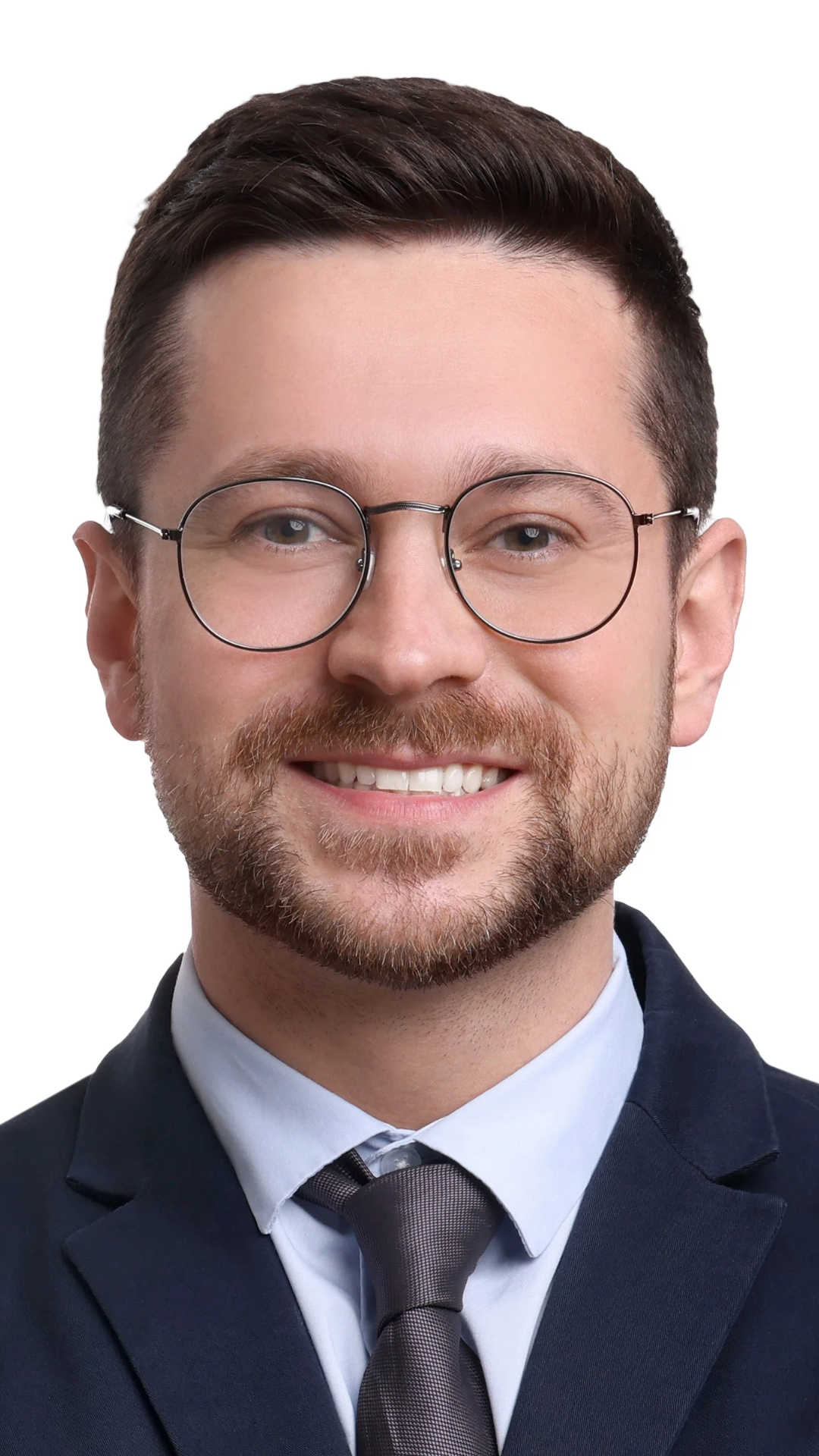
Walter M. Hartman is a writer at smhsbreeze.com, where he covers weather, school news, college news, and other stories. He focuses on clear, accurate, and timely reporting that keeps students, families, and readers informed about what matters in their community.